Welcome to the web of Haomei Aluminum


What Is Hot Rolled Aluminum Coil?
November 2, 2026
Hot-rolled aluminum coils are aluminum or aluminum alloy sheets produced through a series of processes, including homogenization, heating, hot-rolling, and coiling. During production, aluminum ingots undergo multiple passes of rolling at specific temperatures, with their thickness gradually reduced until they are formed into coils. These coils can serve as finished products or act as raw material for cold-rolled aluminum coils, aluminum foil stock, color-coated aluminum coils, and other deep-processed aluminum products.
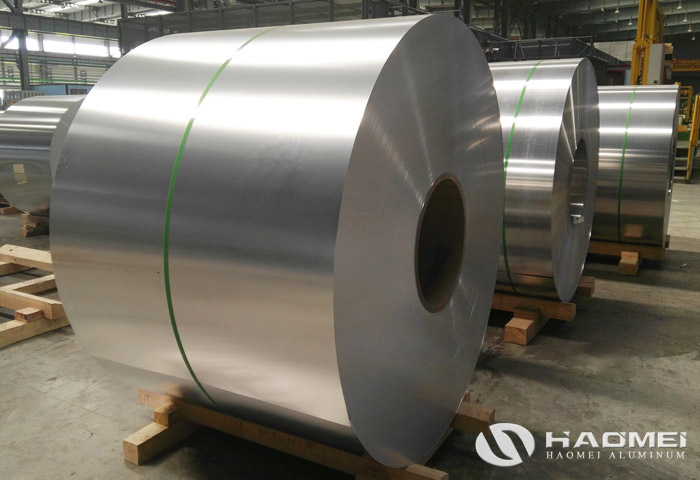
The thickness of hot-rolled aluminum coils is generally greater than that of finished cold-rolled aluminum coils, typically ranging from 2.0 mm to 8.0 mm, though specific equipment and alloy types may allow for thicker or thinner dimensions. Common widths include 1000 mm, 1250 mm, 1500 mm, 1800 mm, and 2000 mm; actual available dimensions depend on the specific alloy, thickness, and production capabilities.
Production Process of Hot-Rolled Aluminum Coils
The typical production workflow includes:
Ingot Casting and Homogenization: Improving the internal structure of the ingot and minimizing compositional segregation to enhance processability.
Surface Milling and Heating: Removing surface defects and heating the ingot to the optimal temperature for rolling.
Hot Roughing and Finishing: Reducing the material to the target thickness and achieving the desired shape through multiple rolling passes.
Coiling and Cooling: Winding the rolled aluminum strip into a coil and controlling the cooling process.
Downstream Processing: Depending on the intended application, the coils may undergo further cold-rolling, annealing, tension leveling, slitting, cutting, coating or embossing.
Hot rolling improves the grain structure and microstructure of the material, which generally facilitates subsequent processes such as cold rolling, stamping, drawing, welding, or machining. The specific properties depend on the alloy composition, hot-rolling parameters, annealing state, and the final thickness of the product.
Common Alloys and Tempers:
Typical alloys for hot-rolled aluminum coils include:
1050, 1060, 1100: These offer good electrical and thermal conductivity as well as corrosion resistance; they are suitable for general stamping, reflective applications, chemical industry components, and conductive parts.
3003, 3004, 3105: Known for good formability and corrosion resistance, these are frequently used in construction, containers, cookware, and vehicle components.
5052, 5083, 5754: These feature excellent corrosion resistance and weldability, making them ideal for tanks, transportation equipment, marine applications, and industrial structural components.
6061, 6082: These alloys can be strengthened through heat treatment and are commonly used in mechanical and structural applications. The available tempers and thickness ranges for these coils should be verified on a case-by-case basis.
Available tempers include O, H111, H112, etc. If the hot-rolled coil is intended for further cold rolling or foil rolling, it is typically processed to meet the specific requirements for intermediate stock (re-roll stock). When procuring such material, it is essential to specify requirements regarding chemical composition, casting/rolling route, surface quality, edge quality, and the control of internal defects.
Differences Between Hot-Rolled and Cold-Rolled Aluminum Coils:
Hot-rolled aluminum coils undergo primary thickness reduction at elevated temperatures, making them suitable for processing thick ingots into medium-to-thick gauge coils or intermediate stock for cold rolling. Cold-rolled aluminum coils, by contrast, are processed at room temperature or lower temperatures; this typically results in thinner gauges, higher dimensional precision, and a superior surface finish.
Products requiring thinner gauges, high-grade surface finishes, or strict thickness tolerances—such as aluminum strips for electronics, stock for lids/closures, decorative panels, and certain materials intended for deep drawing—generally require subsequent processing steps, including cold rolling and annealing.
Key Considerations for Purchasing Hot-Rolled Aluminum Coils
When requesting a quote, it is advisable to specify the alloy grade, temper, thickness, width, inner and outer diameters, coil weight, intended application, surface requirements, and applicable technical standards. For export orders, please also clarify requirements regarding moisture-proof packaging, wooden pallets, vertical or horizontal orientation, Mill Test Certificates (MTC), and third-party inspection.
Haomei Aluminum offers hot-rolled aluminum coils from the 1xxx, 3xxx, 5xxx, and 6xxx series, tailored to your specific processing needs. We also provide solutions for subsequent cold rolling, slitting, cut-to-length processing, and surface treatment, and can assist you in determining the appropriate specifications and technical requirements.
Maybe you like also
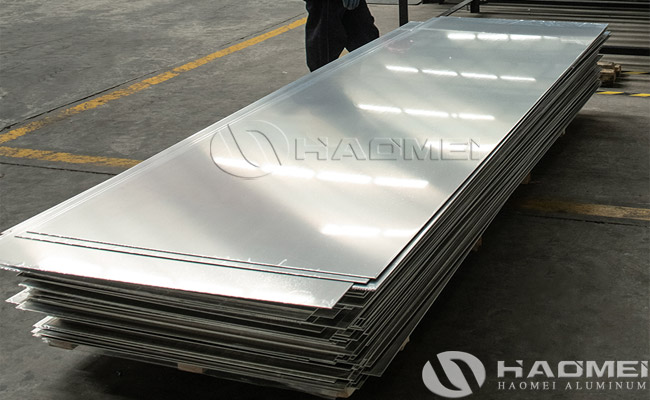 1050 H16 Aluminum Sheet
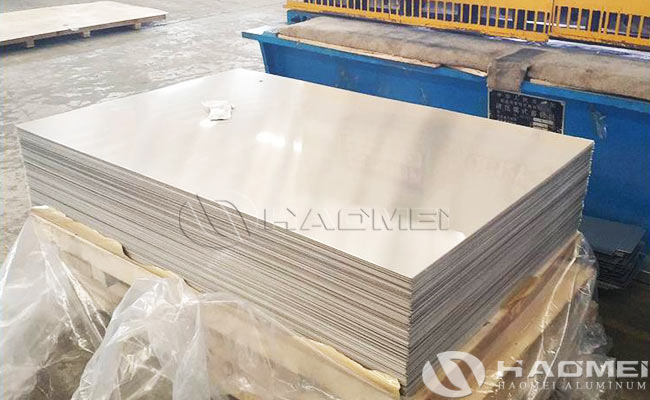 1050 H14 Aluminum Sheet
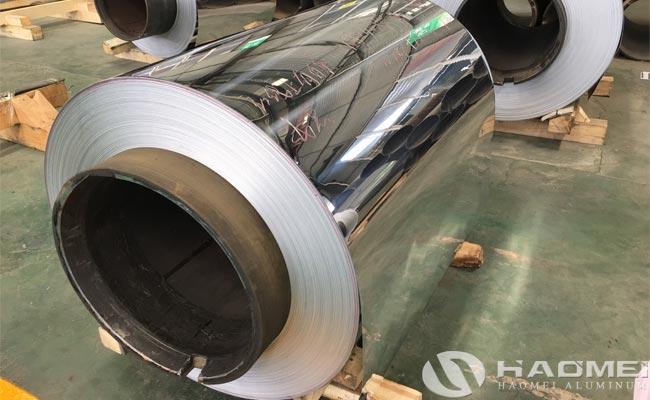 1085 Mirror Aluminum Sheet Coil
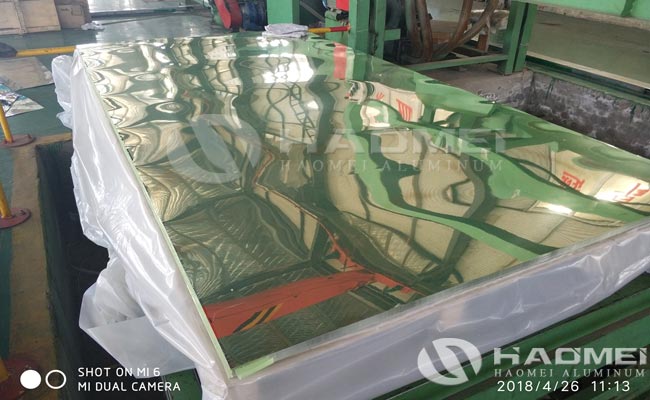 China Reflective Aluminum Sheets
Copyright©2021 Haomei Aluminum Coil. All Rights Reserved. | Sitemap
 Nydia

 Sales Manager